East Minnetonka Vs. West Minnetonka: Which Fits You Best?
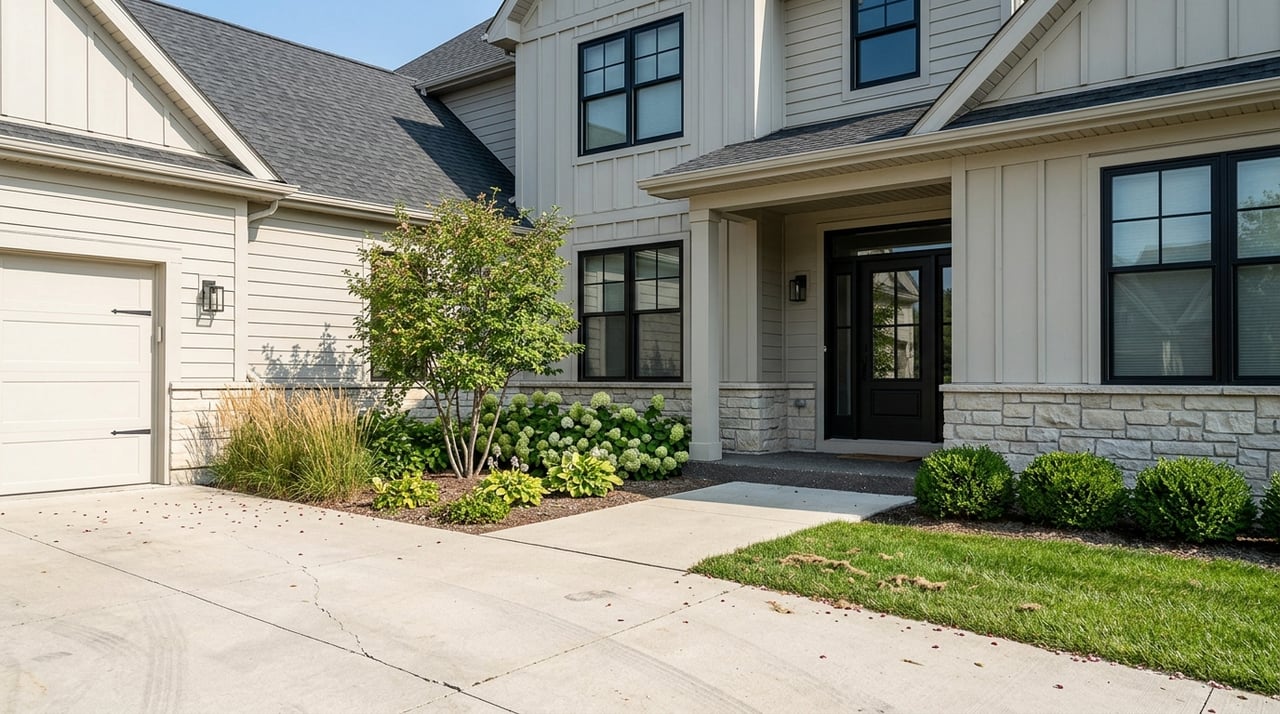
Choosing between east and west Minnetonka is not really about picking a “better” side of town. It is about finding the part of the city that fits how you want to live, commute, and spend your weekends. If you are trying to sort out price, housing style, lake access, and day-to-day convenience, this guide will help you compare the two in a clear, practical way. Let’s dive in.
Minnetonka is a fully developed suburb of more than 53,000 residents located about eight miles west of Minneapolis. According to the City of Minnetonka, the city is shaped by major highways, natural spaces, wetlands, trails, and its connection to Lake Minnetonka.
That matters because east-versus-west in Minnetonka is less about one half being brand new and the other being historic. The city notes that Minnetonka is nearly fully developed and served by multiple districts and neighborhood types, so the differences usually come down to housing mix, lot feel, access patterns, and lifestyle rather than a simple east-good, west-good comparison.
East Minnetonka tends to feel more corridor-oriented and a bit more urban in its housing mix. The city’s development history shows that large-scale residential growth expanded in the eastern part of Minnetonka during the 1950s and 1960s, especially closer to Hopkins and St. Louis Park.
Today, that history shows up in the types of homes you are likely to see. NeighborhoodScout’s Minnetonka East profile describes the area as having a mix of single-family homes and a high share of apartment complexes and high-rise apartments, with much of the housing built between 1970 and 1999 and another large share built from 1940 to 1969.
For buyers, the biggest takeaway is usually price and flexibility. The same profile places the median real estate price in Minnetonka East at about $244,823, which suggests a lower entry point compared with many western pockets of the city.
East Minnetonka may be a strong match if you want:
If your priority is getting into Minnetonka with a more moderate budget, the east side often gives you more ways to do that.
West Minnetonka generally feels more suburban and more connected to the lake-oriented side of the city. NeighborhoodScout’s Minnetonka West profile describes this area as primarily made up of medium-sized single-family homes, along with some apartment complexes and high-rise apartments.
Pricing tends to move higher here. That profile places the median real estate price in Minnetonka West at about $553,069, which is well above the east-side figure and slightly above the city’s official 2025 median home value of $521,300.
Some west and central Minnetonka pockets go even higher. NeighborhoodScout’s Glen Lake profile places that area around $583,719 median real estate value, while the research notes that Greenwood, near the lake, was listed by Realtor.com at about $2.1 million median listing price.
West Minnetonka may be a better fit if you want:
If you picture larger-lot living, a more residential feel, and easier connection to Lake Minnetonka, west Minnetonka often lines up more closely with that lifestyle.
If you strip away the map labels, the clearest difference between east and west Minnetonka is the housing stock. East Minnetonka trends more toward multi-family housing, corridor-oriented development, and lower entry pricing. West Minnetonka trends more toward single-family homes, suburban streetscapes, and higher price ceilings.
That does not mean every east-side home is affordable or every west-side home is upscale. Minnetonka has meaningful neighborhood-to-neighborhood variation, and the city’s nearly full build-out means one street can feel very different from another.
| Feature | East Minnetonka | West Minnetonka |
|---|---|---|
| General feel | More urban and corridor-oriented | More suburban and lake-adjacent |
| Common housing mix | More multi-family and attached options | More single-family homes |
| Development pattern | Strong postwar growth influence | More suburban residential feel |
| Median price signal | About $244,823 | About $553,069 |
| Lifestyle draw | Entry pricing and access | Space, lake proximity, higher-end options |
Commute patterns matter on both sides of Minnetonka. The city is bisected by I-394 and I-494, and major routes also include MN-7, MN-62, and US-169. According to the city, Highway 7 runs through the heart of Minnetonka and carries more than 40,000 vehicles per day, making it one of the most important east-west corridors in town.
That means your daily experience can vary depending on how close you live to the route you use most. East Minnetonka may appeal to buyers who want stronger alignment with major commuter corridors, while west Minnetonka may feel more residential in many pockets but still relies heavily on the same roadway network.
The city’s history page also notes that I-494 helped drive later commercial development. In practical terms, access is a central part of life in Minnetonka no matter which side you choose.
One thing both sides share is strong outdoor access. The city says Minnetonka has more than 50 parks and open spaces and more than 100 miles of trails, so you are not limited to one side of town if your goal is to get outside more often.
Where the west side starts to stand out is lake orientation. Minnetonka borders Lake Minnetonka, and the city operates Gray’s Bay Marina as a public boat-launch facility, which supports the idea that western Minnetonka often offers a more immediate connection to boating and lake recreation.
If your ideal weekend includes time on or near the water, west Minnetonka may feel more aligned with that goal. If your focus is broader suburban convenience with access to parks and trails still close by, east Minnetonka can still check many of those boxes.
This is one area where broad side-of-town assumptions can get you in trouble. The City of Minnetonka school page makes it clear that the city is served by Hopkins, Minnetonka, and Wayzata public school districts.
That means east side versus west side is not a reliable shortcut for school assignment. Minnetonka Public Schools says families should verify attendance boundaries by address before signing a binding agreement, and Hopkins Public Schools also provides an address-searchable boundary map. Wayzata Public Schools also serves all or parts of Minnetonka.
Instead of asking, “Is east or west better for schools?” ask:
That approach is more accurate and more useful when you are narrowing your search.
If you want a practical answer, here it is: east Minnetonka often works best for buyers who prioritize lower entry pricing, multi-family options, and corridor convenience. West Minnetonka often works best for buyers who want more single-family homes, stronger lake proximity, and a more suburban feel.
But Minnetonka is not split by a hard line. It is more of a spectrum, shaped by decades of layered development, changing price points, and address-specific differences in schools, access, and housing style.
For sellers, that distinction matters too. A condo, townhome, or entry-level property in eastern Minnetonka may attract a different buyer than a single-family or lake-adjacent property in the west. Positioning the home correctly starts with understanding what buyers expect from that part of the city.
If you are weighing east versus west Minnetonka and want advice grounded in the way people actually live here, Mark Bartikoski can help you compare neighborhoods, price points, and lifestyle fit so you can move with confidence.
Stay up to date on the latest real estate trends.

Our experience and years of service allows us to come up with creative solutions for your real estate needs so you won’t have to worry about it. We’ll take on these tasks for you, so you can instead focus on making the other important decisions pertaining to your move or real estate purchase.