What It’s Like To Live In A Downtown Minneapolis Condo
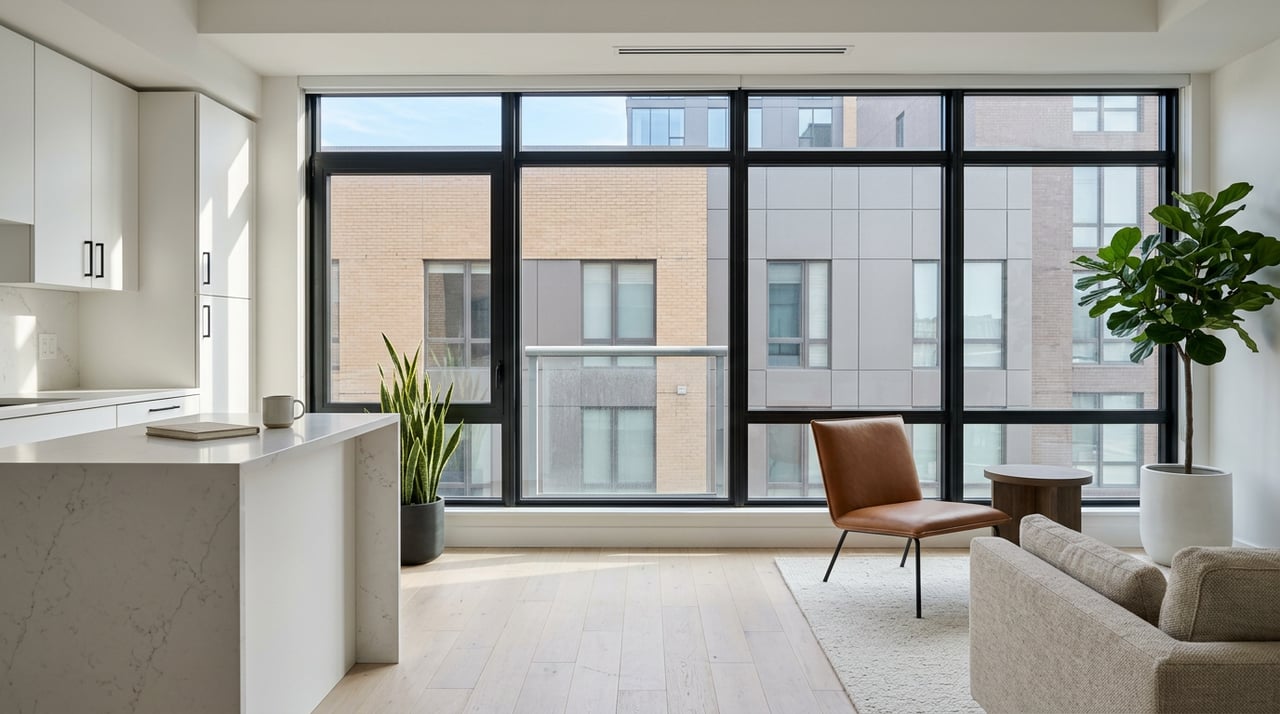
Imagine stepping out your front door in January and getting coffee, groceries, and a workout without stepping outside. That is everyday life when you live in a downtown Minneapolis condo. If you want a lock-and-leave lifestyle with culture, sports, and transit at your doorstep, downtown delivers it in a compact, convenient package. In this guide, you’ll see what daily life looks like, how building types differ, what costs to expect, and how to decide if a condo here fits your goals. Let’s dive in.
Downtown Minneapolis has grown into a true residential neighborhood. The Downtown Council counted about 58,409 residents in 2023, with steady momentum supporting restaurants, retail, and new housing options across the core districts. You feel that energy in the skyways at lunch and along the river on weekends. More people living downtown means more services and more choices for you.
You will see several building styles as you shop. Luxury high-rises bring hotel-like amenities, on-site staff, and premium finishes. Mid-rise concrete towers often trade a bit of height for rooftop decks, gyms, and sleek interiors. Historic loft conversions in former warehouses deliver brick, timber, and big windows, while newer office-to-residential conversions add fresh options close to major employers. Your choice comes down to taste, amenities, and monthly carrying costs.
The Minneapolis Skyway System links roughly 80 blocks across 9 to 11 miles of climate-controlled walkways. For condo residents, that means you can reach offices, shops, coffee, and many services indoors, which is a big winter perk. Hours vary by building, so check your tower’s connections and posted times before you rely on a late-night route. You can preview routes and basics in the Meet Minneapolis skyway guide.
You can live car-light here. The Blue and Green METRO light-rail lines serve the core, with connections to the airport, the University, and Saint Paul. Northstar commuter rail lands at Target Field, and frequent buses cover the CBD. See how lines converge downtown on the Metro Transit map.
Errands are simple. You have a flagship Target along Nicollet, Lunds & Byerlys near the river, and dozens of coffee shops and restaurants mixed into street level and skyway corridors. Many residents plan weekday tasks through the skyway and enjoy riverfront trails and neighborhood spots on evenings and weekends.
If you want parks, views, and culture, the riverfront stands out. You are steps from the Guthrie Theater, the Mill City Museum, Gold Medal Park, and paths along the Mississippi. Mornings invite a walk on the Stone Arch Bridge, and evenings bring skyline sunsets. Explore the neighborhood anchors through the Mill City Museum’s area guide.
North Loop is known for historic brick buildings, loft-style condos, and a dense lineup of restaurants and breweries. It feels lively most nights and weekends, especially around game days near Target Field. Many lofts offer open plans and industrial detail, while newer buildings add modern amenities and structured parking.
In the heart of the core, you will find mixed-use towers, hotels, and newer developments near U.S. Bank Stadium. Full-service buildings are most common here, with quick access to offices, meetings, and events. If you value door-to-desk convenience and skyway connections, this zone is worth a close look.
Recent Twin Cities market reporting places downtown condo medians in the mid-300-thousand-dollar range. Exact pricing shifts by submarket, building, and finish level, and penthouses sit well above the median. For a current snapshot, review the latest Twin Cities Annual Housing Report that draws on NorthstarMLS data here.
Association fees vary widely by building. Some include heat, water, building insurance, cable or internet, and a deep amenity stack. Others keep dues lower by offering leaner services. A national summary of Census data shows a metro median HOA fee of about $278 per month for the Minneapolis–Saint Paul area, but downtown buildings often run higher due to services and amenities. You can read that metro snapshot in Newsweek’s summary. Always confirm what is included in dues and review the budget and reserve study.
Parking can be deeded with the unit or leased monthly. Rates vary by location, which is why many downtown owners keep one car or go car-light. To compare neighborhood garage prices near a building, sample current rates on SpotHero. Then weigh those costs against transit, rideshare, and the value of on-site parking.
Property taxes depend on assessed value and the specific taxing districts in Hennepin County. Effective residential rates in the county often appear around the 1.1 to 1.3 percent range in public aggregators, but your exact bill will differ. Check the parcel’s latest county data or review an example aggregator for context here. Ask for any current or proposed special assessments before you submit an offer.
Before you buy, ask for the full set of condo documents. That includes the declaration and bylaws, current budget, reserve study, and details on special assessments. Confirm insurance coverage limits, parking rules, pet policies, and what utilities are included. If documents are slow to appear or incomplete, treat that as a red flag.
Rental rules deserve close attention. Some buildings cap rentals or set minimum lease terms, which can affect resale liquidity and your future options. Local condo-owner discussions show clear differences by building, so always read the rules in the actual documents and ask targeted questions. For background on how policies can vary, this community thread provides helpful context on rental caps and resale considerations here.
Many condo owners walk, bike, or ride transit to work and events. Winter is easier with the skyway, and summers are ideal for riverfront trails and stadium events. If you plan to live without a car, focus your search on buildings near the light-rail stops you will use most and confirm skyway connections and hours.
Downtown also benefits from a managed public realm. The Minneapolis Downtown Improvement District (DID) operates ambassadors and livability programs across a 120-block district, which adds eyes, maintenance, and wayfinding downtown. You can learn more about coverage and services on the DID’s about page. For safety data, check current official city dashboards and posted building notices so you have the latest information before you move.
If you want a convenient, low-maintenance home near work, sports, theater, and dining, downtown can be a great fit. You trade yard work for amenities, and long drives for walkability, transit, and skyway access. The key is matching your lifestyle to the right building and budget. Focus on location, association health, and the real monthly costs to help your condo feel effortless the day you move in.
Ready to compare buildings, amenities, and true carrying costs side by side? Let’s talk about your goals and design a plan that fits your timeline, whether you are moving up from a starter place or planning a future move to the lake. Reach out to Mark Bartikoski to get started.
Stay up to date on the latest real estate trends.

Our experience and years of service allows us to come up with creative solutions for your real estate needs so you won’t have to worry about it. We’ll take on these tasks for you, so you can instead focus on making the other important decisions pertaining to your move or real estate purchase.