Lake Minnetonka Lifestyle Guide to Everyday Lake Living
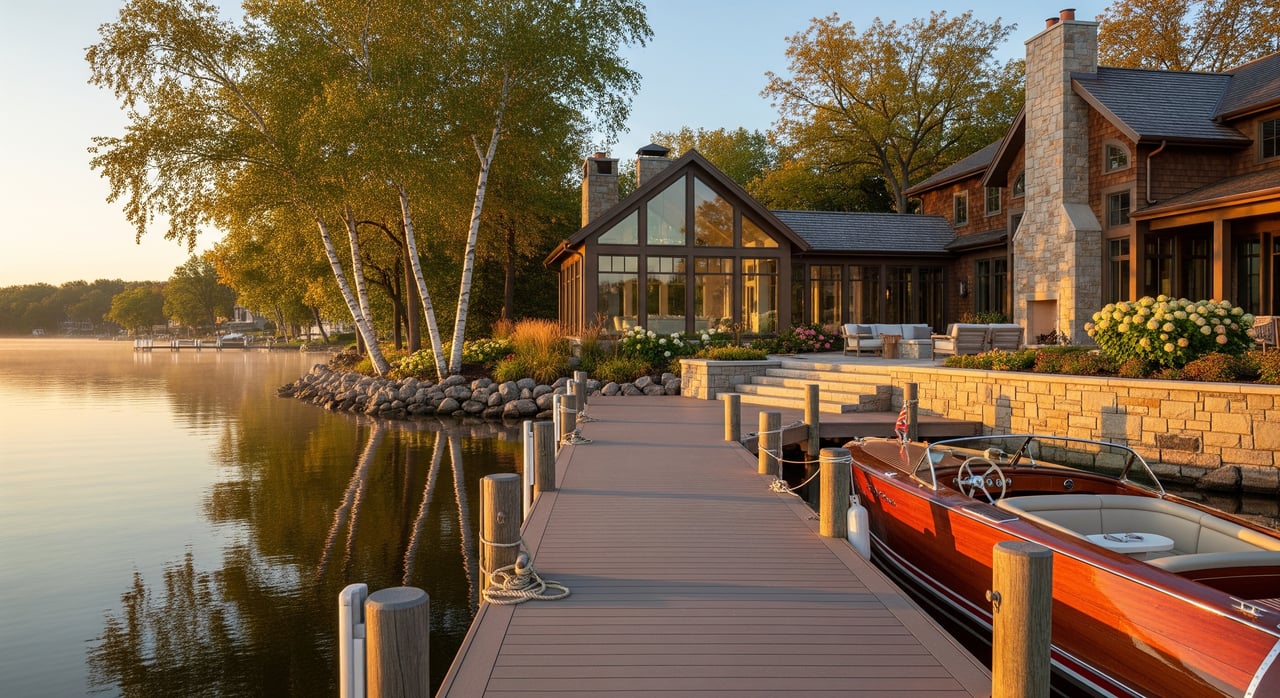
What does a typical Tuesday feel like when the lake is your backyard? Maybe it starts with coffee on the dock, a quick drive to work, and ends with a sunset paddle or dinner by the water. If you are curious about the day-to-day rhythm around Lake Minnetonka, you are not alone. This guide walks you through everyday living around the lake, from commuting and seasons to docks, marinas, and practical homeowner details. Let’s dive in.
Lake Minnetonka spreads across several west‑metro communities, including Minnetonka, Wayzata, Excelsior, Deephaven, Tonka Bay, Shorewood, Mound, Spring Park, and Orono. The shoreline winds through many bays and channels, so each pocket has its own feel and pace. The lake covers tens of thousands of surface-water acres with more than 100 miles of shoreline. For official figures and maps, see the Minnesota DNR and the Lake Minnetonka Conservation District.
Two organizations shape daily lake use. The Lake Minnetonka Conservation District manages boating rules, dock permits, and lake-use regulations. The Minnesota Department of Natural Resources provides lake data, fish species information, and statewide shoreland and watercraft rules. Cities handle zoning, parks, parking, marinas, and local services.
Most residents commute by car to Minneapolis or nearby suburban job centers. Major interstates and arterials connect lake towns to the city, with longer drive times during peak rush hours. Summer weekends can bring extra traffic near popular docks, beaches, and walkable downtowns like Wayzata and Excelsior. For the most accurate timing, check routes during your typical commute window.
Public transit exists but is more limited than inner-ring suburbs. You will find select express and park-and-ride bus options and a few local routes. There is no commuter rail serving the lake towns directly. For current routes and park-and-ride locations, visit Metro Transit.
Utilities vary by street and municipality. Some lakeshore homes are on municipal sewer, while others use private septic systems with active inspection programs. Broadband service is strong in many areas, though fiber availability can vary by block. Before you buy, confirm provider options and utility details at the specific address.
Police, fire, and ambulance service come from local municipalities and Hennepin County. Hospitals and urgent care centers sit in nearby suburban hubs. You can learn about county services and programs through Hennepin County.
Multiple school districts serve the lake area, including Minnetonka, Wayzata, Hopkins, and Orono. Boundaries can change block by block, so verify the assigned district and schools for the property you are considering. City parks, libraries, and community-center programming round out day-to-day family life.
Spring starts with ice-out and early boating, paddling, and fishing. Docks go in, public ramps open, and weekend traffic picks up as restaurants and shopfronts wake up along the water. Summer is peak season. Expect lively evenings, busy marinas, and steady lake activity, especially around Wayzata Bay and Excelsior.
Fall quiets the water as foliage peaks and boating winds down. Many venues shift to shorter hours. Winter brings a different rhythm with ice fishing, snowmobiling, and steady snow removal. Docks are removed or winterized, and homeowners prepare for cold-weather care like insulating lines and checking shoreline structures after freeze-thaw cycles.
You will find public launches, municipal marinas, and private marinas around the lake. Desirable slips often have wait lists, and some municipal slips prioritize residents. If having a slip is a must-have, start early and review application processes at the relevant city offices.
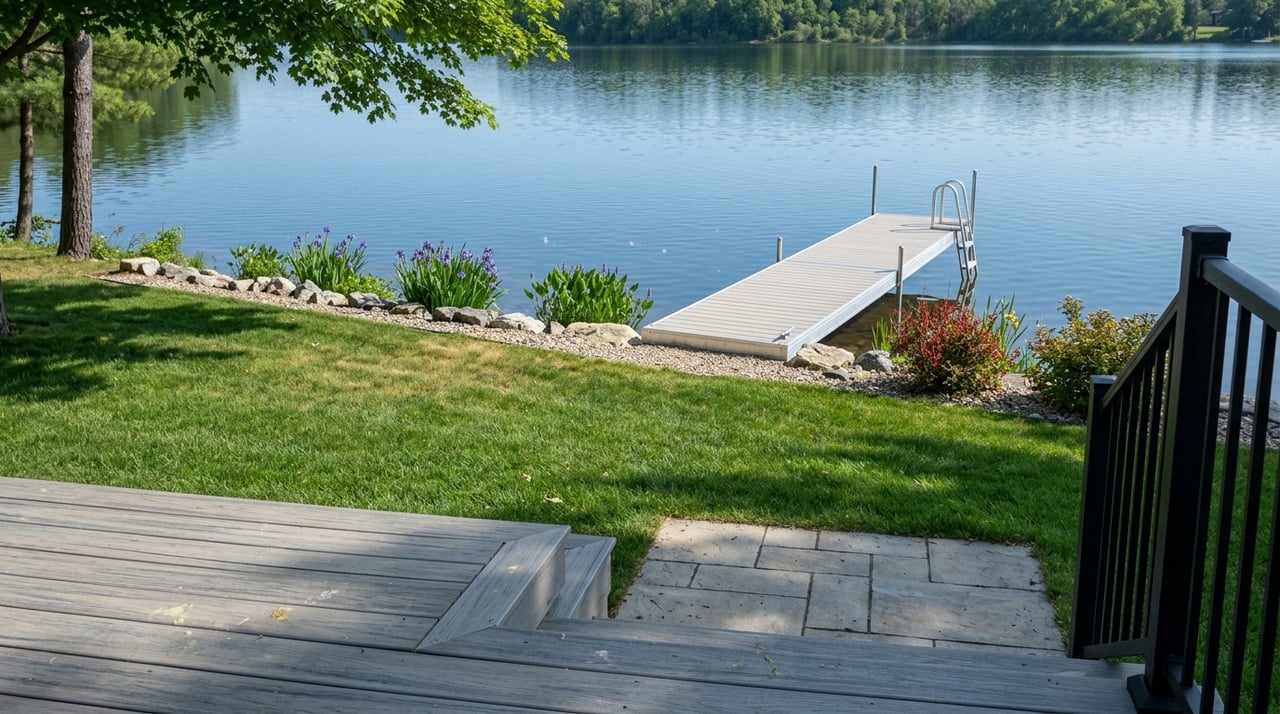
Private docks, shared slips, and boathouses are part of the local landscape. Placement, size, and configuration are regulated by the LMCD and municipal zoning. Many projects require permits, and variances are common for nonstandard sites. Review dock and shoreland rules with the LMCD and your city’s planning department before you plan improvements.
Engines, noise, and speed limits are enforced, and designated no-wake zones help protect shorelines. To keep the lake healthy, Clean, Drain, Dry is the standard for preventing aquatic invasive species. The DNR provides education and inspections, and the LMCD posts seasonal enforcement updates.
Lake Minnetonka supports popular game fish like walleye, northern pike, largemouth bass, and panfish. Angling regulations and seasonal guidance are managed by the Minnesota DNR. Around the lake, you will find public beaches, shoreline parks, and regional trails for biking and walking.
Wayzata and Excelsior offer lively waterfront districts with restaurants, boutiques, and seasonal events. Summer often brings farmers markets, concerts, and boat parades, while winter features cozy community gatherings. Event calendars change year to year, so check city websites for schedules and parking updates.
Lakeshore and near-lake properties typically command premiums over broader suburban averages. Pricing depends on frontage, lot size, water access, and community. Property tax bills come from Hennepin County with city, school district, and any special assessments included. For county tax resources, visit Hennepin County.
Plan for homeowners coverage and optional protections related to docks, boats, and water exposure. Ice heaves and strong storms can damage shorelines and structures, so winterization and spring inspections are part of responsible ownership.
Water quality varies by bay and by year, and several programs monitor conditions. The Minnesota Pollution Control Agency and the DNR track broader water-quality trends, while local agencies monitor the lake itself. Vegetative shoreline buffers and careful runoff control protect water health.
Summer is social around public beaches, marinas, and popular bays. Municipalities have noise and nuisance ordinances, and parking can be tight during peak weekends. If you plan to host frequently, consider driveway capacity and street rules in your chosen neighborhood.
Daily life on Lake Minnetonka blends classic Minnesota seasons with modern suburban convenience. When you know how commuting, rules, marinas, and maintenance really work, you can choose the pocket of shoreline that fits your routine and budget. If you want a clear plan and access to on‑ and off‑market options, talk with Mark Bartikoski to Search All Homes / Get Exclusive Off‑Market Listings.
Stay up to date on the latest real estate trends.


Our experience and years of service allows us to come up with creative solutions for your real estate needs so you won’t have to worry about it. We’ll take on these tasks for you, so you can instead focus on making the other important decisions pertaining to your move or real estate purchase.